







 0
0
 0
0 Table of Contents
Introduction
You might have come across javitri and jaiphal in various recipes or as ingredients in natural remedies. But do you know where these spices come from and how they’re grown? In this article, we’ll explore the world of javitri, jaiphal, and jathikai plants, their cultivation, uses, and health benefits. So, let’s dive right in!
What is Javitri
Javitri Plant and Its Relation to Jaiphal
Javitri, also known as mace, is a spice derived from the Myristica fragrans tree. This tree is native to the Banda Islands in Indonesia and is also grown in other tropical regions like the Caribbean and India. Interestingly, javitri is not the only spice that comes from this tree. Jaiphal, also known as nutmeg, is the seed of the Myristica fragrans tree, while javitri is the crimson-colored aril that surrounds the seed.
Javitri Plant Characteristics
Physical Appearance
The javitri plant, or Myristica fragrans, is an evergreen tree that can grow up to 65 feet tall. Its leaves are dark green, glossy, and oblong-shaped, measuring around 4 to 6 inches in length. The tree produces small, yellow, bell-shaped flowers that give way to fleshy fruits, which house the jaiphal seed and the javitri aril.
Growth and Cultivation
Javitri plants grow best in tropical climates with well-draining, fertile soil. They require partial to full sunlight and consistent moisture. The trees are dioecious, meaning there are separate male and female plants, so both are needed for successful pollination and fruit production. It takes about 7 to 9 years for the javitri plant to start bearing fruit, and it continues to do so for several decades.
Jaiphal Tree
Characteristics of the Jaiphal Tree
The jaiphal tree is actually the same tree as the javitri plant, Myristica fragrans. As mentioned earlier, jaiphal is the seed of this tree, while javitri is the aril surrounding the seed. This unique tree produces two distinct spices with different flavors, aromas, and uses in cooking and traditional medicine.
Jaiphal and Javitri: The Connection
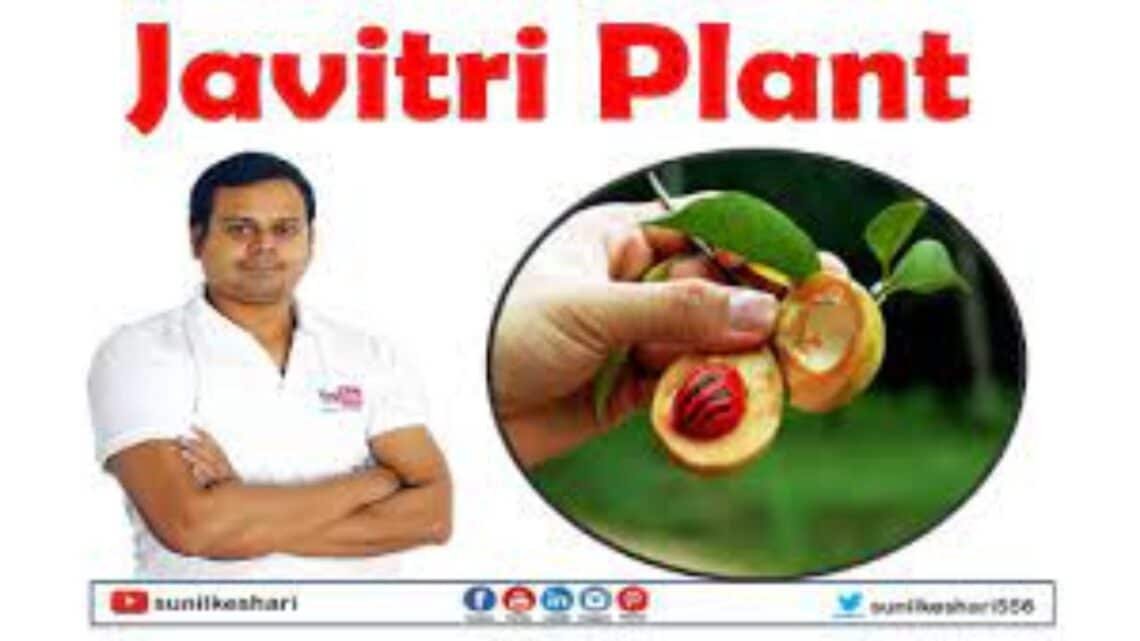
The connection between jaiphal and javitri lies in the fact that they both come from the same tree. When the fleshy fruit of the Myristica fragrans tree ripens and splits open, it reveals the jaiphal seed, which is enveloped by the bright red, net-like aril called javitri. Both the seed and the aril are dried and used as separate spices, each with its own unique flavor profile and culinary applications.
Jathikai Plant
What is Jathikai?
Jathikai, also known as nutmeg in English, is actually the same spice as jaiphal. The term “jathikai” is commonly used in Tamil and other regional languages in India to refer to the seed of the Myristica fragrans tree. As such, the jathikai plant is also the Myristica fragrans tree.
Cultivation and Usage
The cultivation and usage of jathikai are the same as those of jaiphal, as they both come from the Myristica fragrans tree. The tree is grown in tropical regions, and its fruit, seed, and aril are harvested and processed for various culinary and medicinal purposes.
Health Benefits of Javitri and Jaiphal
Culinary Uses
Javitri and jaiphal have been used as spices for centuries. Javitri, with its delicate, warm, and slightly sweet flavor, is commonly used in Indian and Middle Eastern cuisines to flavor rice dishes, curries, and desserts. Jaiphal, on the other hand, has a warm, sweet, and slightly spicy taste and is used in both savory and sweet dishes. It is a popular ingredient in European and Indian cuisines, often found in spice blends like garam masala, as well as in baked goods, beverages, and meat dishes.
Medicinal Properties
Both javitri and jaiphal have been used in traditional medicine for their various health benefits. They are known for their anti-inflammatory, antioxidant, and antimicrobial properties. Some studies suggest that these spices may help with digestion, improve sleep quality, alleviate pain, and boost the immune system.
Ayurvedic Importance
In Ayurvedic medicine, javitri and jaiphal are considered warming spices that help balance the body’s energies. They are often used in Ayurvedic remedies to improve digestion, stimulate appetite, and soothe respiratory ailments.
How to Identify Javitri and Jaiphal Plants

Visual Identification
Identifying the Myristica fragrans tree, the source of both javitri and jaiphal, can be done by observing its physical characteristics. Look for an evergreen tree with glossy, dark green leaves and small, yellow flowers. The fruits of the tree are fleshy and resemble apricots when ripe, splitting open to reveal the jaiphal seed covered by the red, net-like aril known as javitri. Keep in mind that to ensure successful pollination, both male and female trees must be present in the vicinity.
Aromatic Properties
Another way to identify the Myristica fragrans tree is through its distinct aroma. Both the leaves and the bark of the tree emit a fragrant scent reminiscent of the spices they produce—javitri and jaiphal. When the fruit is ripe, the aroma becomes even more pronounced, making it easier to identify the tree.
Caring for Javitri and Jaiphal Trees
Soil Requirements
Javitri and jaiphal trees thrive in well-draining, fertile soil with a pH level between 6.0 and 7.0. They prefer loamy or sandy soil that retains moisture without becoming waterlogged. Adding organic matter like compost can help improve soil fertility and structure, ensuring healthy growth.
Water and Sunlight Needs
These trees require consistent moisture and should be watered regularly, especially during dry spells. However, take care not to overwater, as this can lead to root rot. Javitri and jaiphal trees grow best in partial to full sunlight, although they can tolerate some shade. Ensuring they receive adequate sunlight helps promote healthy growth and fruit production.
Pruning and Maintenance
Pruning is essential for maintaining the health and productivity of javitri and jaiphal trees. Remove dead or diseased branches, as well as any branches that cross or rub against each other. Prune the trees to maintain an open canopy, allowing sunlight and air to circulate, which helps prevent disease and pests. Regularly inspect the trees for signs of pest infestations or disease, and treat any issues promptly to prevent them from spreading.
Conclusion
Javitri, jaiphal, and jathikai are spices derived from the Myristica fragrans tree, which is native to Indonesia and grown in other tropical regions. Both javitri (the aril) and jaiphal (the seed) come from the same tree, offering unique flavors and numerous health benefits. Understanding the characteristics and cultivation of these trees can help you appreciate the fascinating world of spices and their uses in cooking and traditional medicine.